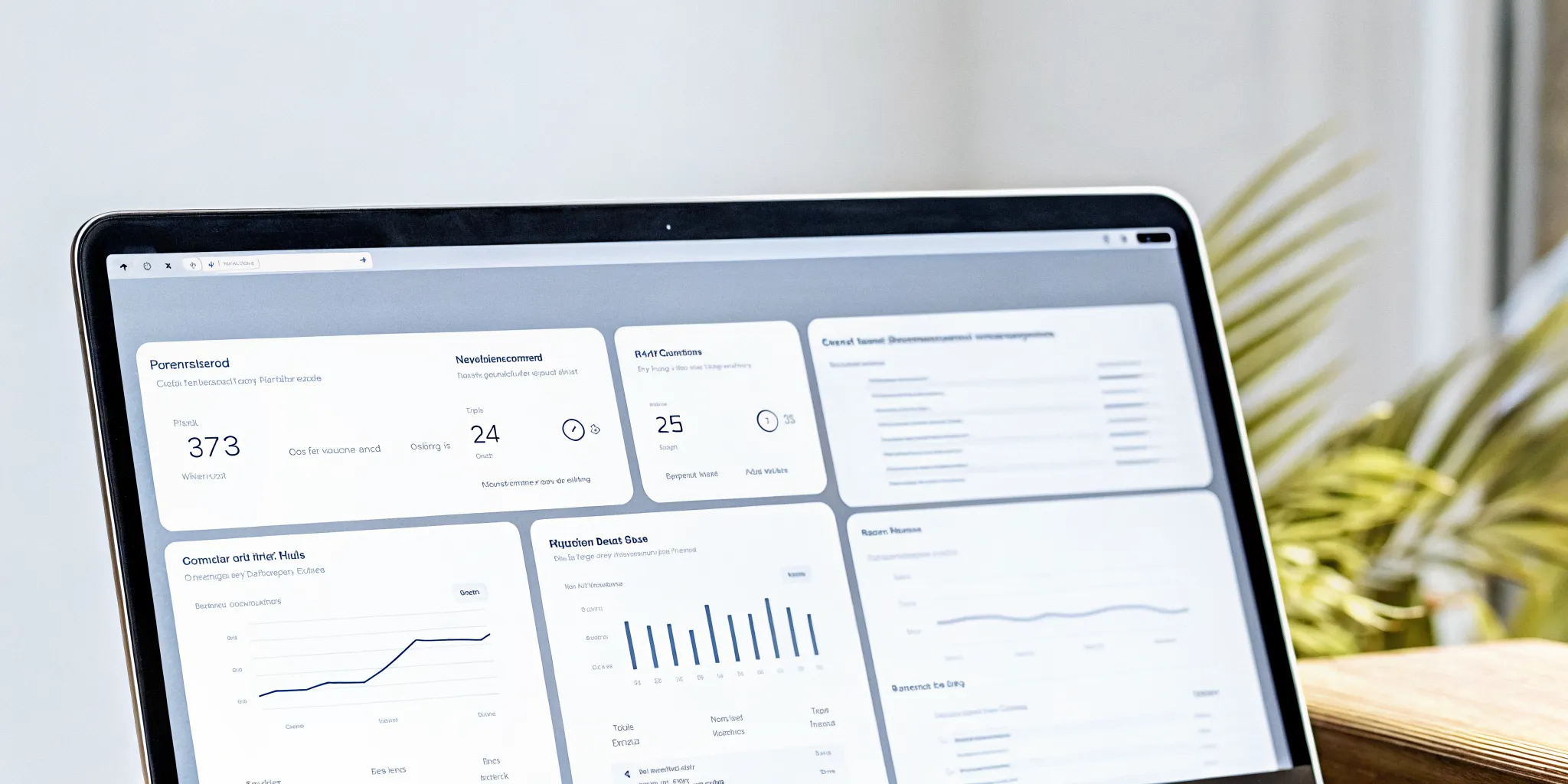
A health plan renewal should not begin with a rate increase and end with a search for the cheapest alternative. Washington employers can make a stronger decision when they first understand what drove the plan's results. That is where health plan claims data for employers becomes useful.
Claims reports can show broad patterns in cost, care use, pharmacy spending, and network performance. They can help a benefits team ask better questions before accepting a renewal or changing plan design. The goal is not to study an employee's medical care. It is to understand the plan as a whole, within the privacy limits that apply to the group.
This guide explains which reports to request, what trends to review, and how to turn findings into practical renewal choices. It offers general information only, not legal or medical advice.
What health plan claims data for employers can reveal
Claims data records how a health plan paid for covered care. A useful employer report groups that data into broad categories. It may show total paid claims, member counts, types of care, pharmacy costs, and changes over time. Reports should be aggregated or de-identified so the employer can assess the plan without viewing private employee details.
A clearer view of cost drivers
A renewal rate reflects more than one factor. Medical trend, pharmacy trend, group size, demographics, plan design, and recent claims experience may all affect the result. Claims reports help separate the broad cost drivers. For example, a plan may show higher hospital use, a rise in specialty drug spending, or several large claims that may not repeat.
That context matters. A sharp increase in one category does not always mean the plan needs a broad benefit cut. It may point to a narrow issue that deserves a focused question. It may also show that a one-year event should not be treated as a lasting trend.
Patterns in how members use care
Utilization reports can show where members receive care and which services they use most. Employers may see the share of care delivered through emergency rooms, urgent care, primary care, outpatient facilities, or inpatient settings. These patterns can help a benefits team assess whether access, education, network design, or care navigation could improve the member experience.
Claims data cannot explain every reason behind a pattern. It can, however, identify the questions that need answers. If emergency room use rises, the next step may be to review access to primary and urgent care. If out-of-network costs rise, the team may need to examine network fit and employee communication.
Plan performance over time
A single month's data can be misleading. A rolling view across several quarters or years is more useful because it shows whether a result is persistent or unusual. Compare costs on a per-member basis when enrollment has changed. Also note whether reports use paid dates or service dates, since that choice can shift results between periods.
The strongest renewal discussion connects claims trends with plan terms, employee feedback, and the employer's budget goals. No single report should make the decision by itself. Washington employers across all industries use claims data to make smarter renewal decisions with WHIA's guidance.
Which claims reports should employers request before renewal?
Employers may receive different reports based on group size, funding method, carrier rules, and privacy requirements. Start the request early enough to review the data before final renewal options arrive. Ask the carrier, administrator, or benefits advisor what can be provided and how each report should be read.
| Report | What it can show | Questions to ask |
|---|---|---|
| Medical claims summary | Total allowed and paid costs by broad service type | Which categories changed most, and are results based on paid or service dates? |
| Pharmacy report | Generic, brand, and specialty drug trends in aggregate | What is driving growth, and which plan tools may affect cost or access? |
| Utilization report | Use of primary, urgent, emergency, inpatient, and outpatient care | Are members using high-cost settings when lower-cost options may be available? |
| Large-claim report | High-cost claims shown within applicable privacy limits | Which costs may continue, and how are ongoing claims reflected in projections? |
| Network report | In-network and out-of-network use, access, and cost patterns | Does the network fit where employees live and seek care? |
| Plan performance report | Enrollment, claims, premiums or funding, and loss-ratio trends | How does actual performance compare with the renewal assumptions? |
Request definitions with every report
Two reports with similar labels may measure different things. Ask for a short data dictionary that defines each metric, time period, and exclusion. Confirm whether the report includes medical claims only or medical and pharmacy claims. Ask whether costs are shown as billed, allowed, or paid amounts.
Definitions prevent false comparisons. They also help the employer compare the current plan with renewal alternatives on a sound basis. If an advisor cannot explain a key metric in plain language, pause before using it to support a decision.
Ask for benchmarks, but use them carefully
Benchmarks may help show whether a pattern is common among similar groups. Yet a benchmark can mislead if it reflects a different region, group size, workforce, network, or plan design. Ask how the benchmark group was selected and whether the comparison is adjusted for enrollment.
A useful benchmark adds context. It should not replace an employer's goals, budget, workforce needs, or actual plan experience.
What trends matter most before a health plan renewal?
The best claims review focuses on trends that can affect a real renewal choice. It does not chase every change in the report. Benefits leaders should look for patterns that are large enough, steady enough, and clear enough to support a question or action.
Cost per member and year-over-year change
Total claims may rise simply because enrollment grew. Review claims per member per month, along with total cost, to create a fairer comparison. Look across several periods when possible. One large claim or a late payment can distort a short window.
Ask the carrier or administrator to explain material changes. Was growth broad across the plan, or concentrated in a few categories? Does the renewal assume that a one-time claim will continue? Which parts of the increase reflect general medical trend rather than the group's own experience?
Care setting and network use
Review where members receive care. High emergency room use may point to an access or education issue, but it should not be treated as proof of avoidable care. A rise in out-of-network use may signal that the network does not fit the workforce, or that members need clearer help finding in-network care.
Network analysis should include more than a discount percentage. Consider provider access near employee locations, appointment availability, and the effect on members who already have care relationships. A lower-cost network has limited value if employees cannot use it well.
Pharmacy and high-cost claims
Pharmacy reports can show whether cost growth comes from broad use, brand drugs, or specialty drugs. Ask what tools are available, how they affect member access, and how results will be measured. Avoid making assumptions about any person's diagnosis or treatment.
Large claims deserve careful review because they can shape a renewal. Ask which costs are complete, which may continue, and how they are reflected in the forecast. For self-funded or level-funded options, also ask how stop-loss terms would respond to similar claims.
Volatility and credibility
Smaller groups often experience more year-to-year swings because a few claims can have a large effect on the total. Privacy rules may also limit the detail available. In those cases, the review should place more weight on multi-year trends, plan terms, and clear assumptions.
Claims data is evidence, not certainty. Use it to test renewal assumptions and compare choices, not to promise a specific future result. WHIA works with companies of all sizes to turn claims insights into better benefits strategies.
How do privacy limits shape an employer claims review?
Claims analysis must respect employee privacy. Employers generally need plan-level insight, not personal medical details. Reports should be aggregated, de-identified, or limited according to the rules and agreements that apply to the plan.
Use aggregate information for plan decisions
A safe review focuses on broad categories, totals, trends, and plan performance. It should not attempt to identify an employee from a diagnosis, drug, claim amount, or other detail. This is especially important for small groups, where even limited information could make a person easier to recognize.
Some reports suppress categories when too few members are involved. That can reduce detail, but it protects employees. Treat suppression as a required safeguard, not a reporting flaw to work around.
Control access to reports
Limit claims reports to people who need them for plan administration and renewal work. Store and share them through approved channels. Ask the carrier, administrator, legal counsel, or privacy lead what access and handling rules apply to the group.
Before requesting a more detailed report, define the business question it would answer. If an aggregate report can support the decision, more detail may add risk without adding value.
Know when to seek qualified advice
Privacy, fiduciary, and plan administration duties can vary with plan structure and the employer's role. A benefits advisor can help frame the right data questions. Employers should seek qualified legal advice for legal or compliance decisions and should never use claims reports to give medical advice.
How claims findings can guide plan design and funding
The purpose of a claims review is to improve the renewal decision. Once the team understands the main patterns, it can compare changes that address those patterns while protecting employee access and the employer's budget.
Test plan design changes against the data
A deductible, copay, or contribution change may shift cost between the employer and employees. It may not address the main driver of plan spending. Before changing benefits, ask which pattern the change is meant to address, how members may respond, and how success will be measured.
For example, high out-of-network use may call for a network and access review before a cost-sharing increase. Rising pharmacy costs may call for a review of the pharmacy program and member support. The right response depends on the facts and the workforce.
Compare funding options with clear assumptions
Claims trends can help employers evaluate whether fully insured, level-funded, or self-funded options deserve consideration. Each approach changes how the employer pays for risk, receives data, and manages volatility. The cheapest projection is not always the best fit.
Employers considering more risk should review the self-funded health insurance guide for Washington employers. Pay close attention to stop-loss terms, contract definitions, claim runout, reporting, cash flow, and the assumptions behind any savings estimate.
Build a renewal strategy, not a last-minute reaction
A strong process starts before renewal options arrive. Review data, define goals, identify open questions, and set decision criteria. Then compare each option against the same criteria. The Washington health insurance renewal strategy guide explains how to organize that broader process.
Keep employee experience in the discussion. Cost matters, but so do provider access, clear communication, and help when members need care. Washington Health Insurance Agency (WHIA) helps employers connect plan data with a practical benefits strategy.
A step-by-step claims review before renewal
- Set the decision timeline. Start early enough to request reports, resolve questions, and compare options before the renewal deadline.
- Request the core reports. Ask for medical, pharmacy, utilization, large-claim, network, and plan performance data that can be shared within privacy limits.
- Confirm the definitions. Review periods, member counts, exclusions, and whether costs are billed, allowed, or paid.
- Find the few material trends. Focus on changes that are large, persistent, or directly tied to a renewal choice.
- Ask what may continue. Separate one-time events from trends that are likely to affect the next plan year.
- Compare options consistently. Use the same budget, risk, network, access, and employee-experience criteria for each option.
- Document the decision. Record the data reviewed, questions answered, assumptions used, and reasons for the final choice.
This process helps the benefits team move from a reactive rate discussion to a structured decision. It also creates a record that can improve the next renewal review.
Questions to ask your carrier, administrator, or advisor
A good claims review often depends on the quality of the questions. Bring these to the renewal discussion:
- Which cost categories changed most, and what explains the change?
- How did enrollment affect total claims and cost per member?
- Which recent costs may continue into the next plan year?
- How are large claims reflected in the renewal projection?
- What privacy limits affect the reports available to our group?
- Where are members using out-of-network or higher-cost care settings?
- What plan or network changes address the trends, and what tradeoffs do they create?
- How will we measure whether a proposed change works?
- Which assumptions differ across the renewal options?
Ask for plain-language answers and written support for important assumptions. A recommendation should connect clearly to the data, the employer's goals, and the needs of employees.
Frequently asked questions about employer claims data
Can every employer receive detailed health plan claims data?
No. The reports available depend on plan funding, group size, contracts, carrier or administrator rules, and privacy safeguards. Some groups may receive only high-level aggregate reports. Ask what is available and why certain detail is limited.
Can claims data predict next year's health plan costs?
Claims data can inform a forecast, but it cannot predict the future with certainty. Enrollment changes, new claims, medical trend, pharmacy costs, plan design, and one-time events can all affect results. Use projections as decision tools, not guarantees.
Should an employer use claims data to identify employee health conditions?
No. An employer's renewal review should focus on aggregate or de-identified plan information and must respect applicable privacy rules. Employers should not try to identify people from claims reports or use the reports to give medical advice.
How far before renewal should a claims review begin?
Begin early enough to obtain reports, understand the definitions, resolve questions, and compare alternatives. The right timing varies by group and market. A benefits advisor can help build a timeline around the employer's renewal date.
What if claims data is limited for a small group?
Use the information that can be shared safely, then combine it with multi-year plan results, employee feedback, plan terms, network needs, and clear renewal assumptions. Limited data should lead to careful questions, not guesses about employees.
Start a more informed renewal review
Health plan claims data can give Washington employers a clearer view of what is driving a renewal. The value comes from asking the right questions, respecting privacy, and connecting the findings to practical plan choices.
Ready to review your renewal with an experienced benefits advisor? Get started with Washington Health Insurance Agency or call 360-464-1622. WHIA can help your team review the available reports, compare options, and build a strategy around your budget and workforce.